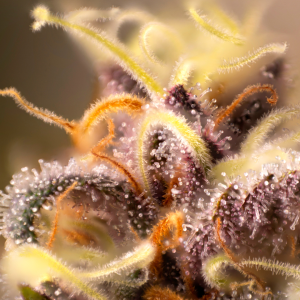

Every cannabis experience starts with curiosity, whether it’s sparked by a scent, a name, or a recommendation from a friend. But beyond the look and feel of the product, there’s a deeper story happening at the molecular level. The cannabis plant is packed with active compounds, and among the most important of these are cannabinoids, the chemical powerhouses responsible for much of what you think, feel, and notice after consumption.
At Commencement Bay Cannabis, we’ve noticed the conversation maturing. People aren’t just asking about Sativa or Indica anymore. Instead, they want to know: What’s the cannabinoid profile? Is there CBD or CBG in this? How does THCA compare to THC? That’s why we put together this guide, to help you understand what cannabinoids are, how they work, and why they play such a crucial role in shaping your cannabis experience.
Cannabinoids: Nature’s Code in the Cannabis Plant
Cannabinoids are a class of chemical compounds found naturally in cannabis. The plant produces over 100 different cannabinoids, each with unique effects on the human body. Some are well-known (like THC and CBD), while others are just beginning to emerge from scientific obscurity.
Cannabinoids interact with the endocannabinoid system (ECS), a biological network in our bodies that helps regulate mood, sleep, appetite, immune function, pain response, and more. Think of cannabinoids as keys, and the ECS as a system of locks scattered throughout the brain and body. According to the National Institutes of Health, the ECS is “one of the most important physiological systems involved in establishing and maintaining human health”. That means cannabinoids are not just recreational, they’re regulatory. They help bring balance, and their effects are incredibly individualized.
Two Main Types: Phytocannabinoids vs Endocannabinoids
Let’s make a quick distinction:
- Phytocannabinoids = Cannabinoids produced by the cannabis plant (like THC, CBD, CBG)
- Endocannabinoids = Cannabinoids produced by your own body (like anandamide and 2-AG)
Both interact with the ECS, but phytocannabinoids are what you’ll find at the dispensary. And they’re what we’ll be exploring here.
The Major Cannabinoids You Should Know
THC (Δ9-Tetrahydrocannabinol)
This is the most famous cannabinoid, and the one that gives cannabis its psychoactive effects. THC binds primarily to CB1 receptors in the brain, which influences perception, memory, coordination, and pleasure.
- Common effects: Euphoria, hunger, altered perception, relaxation
- Found in: Flower, vapes, concentrates, edibles
- Fun fact: The THC in your joint actually starts as THCA in the raw flower, and only becomes psychoactive when heated.
CBD (Cannabidiol)
Non-psychoactive, but incredibly influential. CBD works more subtly, binding weakly to cannabinoid receptors and instead enhancing your body’s natural endocannabinoids.
- Common effects: Calm, reduced anxiety, inflammation support, seizure reduction
- Popular in: Tinctures, topicals, capsules, edibles
- Regarded by: A Harvard Medical School overview as promising in pain relief, epilepsy, and anxiety management (Harvard)
CBN (Cannabinol)
This cannabinoid is formed as THC ages, think of it as the “sleepy byproduct.” Many consumers associate it with sedative effects, though more research is still needed.
- Possible effects: Mild sedation, appetite stimulation
- Often found in: Sleep formulations or aged flower
CBG (Cannabigerol)
Known as “the mother cannabinoid,” because it’s the precursor to both THC and CBD. CBG itself is non-psychoactive but may support focus and gut health.
- Common effects: Mental clarity, inflammation relief, antibacterial properties
- Often seen in: Specialty tinctures or low-THC flower with high CBG ratios
THCV (Tetrahydrocannabivarin)
A cannabinoid with a twist, THCV can suppress appetite rather than enhance it, and may provide alert, energizing effects at lower doses.
- Potential effects: Focus, appetite suppression, blood sugar regulation
- Usually found in: Sativa-dominant strains like Durban Poison
Minor Cannabinoids: The Emerging Players
As cannabis science progresses, researchers are uncovering more cannabinoids that play supporting but significant roles. These include:
- CBC (Cannabichromene) – Anti-inflammatory and potentially mood-elevating
- Delta-8-THC – A milder analog of THC that’s psychoactive but less intense
- CBDA/THCA – The raw, acidic forms of cannabinoids found in fresh flower
Some of these exist in small quantities but can still shape your experience via the entourage effect: the idea that cannabinoids, terpenes, and flavonoids work best as a team.
How Cannabinoids Work in the Body
Cannabinoids interact with two primary receptors:
- CB1 receptors – Found mostly in the brain and central nervous system. THC binds here and causes psychoactive effects.
- CB2 receptors – Found primarily in the immune system and peripheral tissues. Many non-psychoactive cannabinoids target these.
The entourage effect enhances the way these cannabinoids behave, CBD can temper the intense high of THC, for instance, while terpenes like myrcene or limonene can boost or steer the mood. According to The Journal of Cannabis Research, formulations that include both major and minor cannabinoids are more effective than isolated compounds in addressing pain, anxiety, and inflammation.
How Cannabinoids Affect You Personally
Here’s the trick: Cannabinoids don’t work the same for everyone. Your own biology, your endocannabinoid system, metabolism, lifestyle, and even gut bacteria, play a role in how each cannabinoid behaves in your body. That’s why two people can take the same strain and have very different results.
Your best strategy is intentional experimentation:
- Start low and slow with new products.
- Track how you feel, physically and mentally.
- Ask your budtender about cannabinoid ratios and formulations.
- Consider broad-spectrum or full-spectrum products if you want the benefit of multiple cannabinoids working together.
At our Tacoma dispensaries, we take pride in offering detailed product breakdowns, so you can shop with confidence and curiosity.
Cannabinoid Ratios: A Smarter Way to Shop
Sometimes the numbers matter more than the names. Instead of asking “How much THC is in this?” ask, “What’s the ratio of THC to CBD or CBG?” Ratios can help you predict the general effect of a product:
- 20:1 THC to CBD = Strongly psychoactive, recommended for experienced users
- 1:1 THC to CBD = Balanced effect, common in therapeutic use
- 20:1 CBD to THC = Minimal high, calming and suitable for daytime
Many of our tinctures, capsules, and even vape pens at Commencement Bay Cannabis clearly display these ratios on packaging, and we’re always happy to explain what they mean in real-world terms.
Cannabinoids Beyond Flower
You’ll find cannabinoids across the full spectrum of cannabis products:
- Flower: Carries the full range of cannabinoids in their raw or decarbed forms.
- Concentrates: Rich in activated cannabinoids like THC, CBD, or THCV.
- Tinctures & Oils: Offer precise dosing of individual or blended cannabinoids.
- Topicals: Deliver cannabinoids like CBD and CBG to the skin without a high.
- Edibles: Activate decarboxylated cannabinoids (THC, CBD) via digestion, with a longer onset time and more potent effect.
Each method of consumption interacts with cannabinoids differently, so the format you choose can influence how a product makes you feel.
Cannabis Is More Than THC
Cannabinoids are the engine beneath the hood of the cannabis plant. THC may be the most famous passenger, but the real performance comes from the entire crew: CBD, CBG, CBN, THCV, and more. They balance one another, amplify therapeutic value, and make the plant infinitely customizable.
At Commencement Bay Cannabis, our goal is to help you move beyond the strain name or percentage and toward a deeper understanding of what’s in your product, and what it means for your day. Cannabis is more than a high. It’s a conversation with your body. And cannabinoids are the language it’s written in.