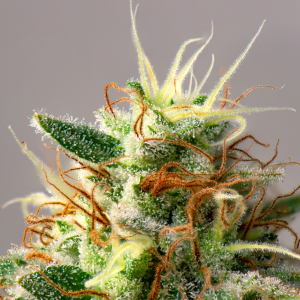

If you have ever looked closely at a great nug and thought, “Why does this look like it has been dusted with sugar,” you were looking at trichomes.
Trichomes are the tiny, hair-like structures that grow on the surface of cannabis. On the parts of the plant we consume most often, especially the flower, many trichomes are glandular, meaning they produce and store sticky resin. That resin is where a huge share of the plant’s cannabinoids and aromatic compounds come from, including THC, CBD, and many of the terpenes that shape how a strain smells and feels.
In plain terms, trichomes are cannabis’s “frost,” but they are also the plant’s chemistry lab.
Trichomes, in plain English
The word “trichome” comes from a Greek root meaning “hair,” which is why people casually describe them as hairs. But on cannabis, the trichomes that matter most to consumers are not the orange hairs (those are pistils). The trichomes you care about are the tiny, glassy, often mushroom-shaped glands that can make flower look sparkly or sticky.
If you have ever handled very fresh flower and noticed your fingertips get tacky, that is resin from trichomes.
Why cannabis makes trichomes
Plants did not evolve trichomes to impress humans. They evolved them to survive.
Across the plant world, trichomes can help with defense, reducing water loss, and protecting against environmental stress. On cannabis, trichomes (and the resin they produce) are widely described as part of the plant’s defense toolkit, helping deter pests and responding to stressors like UV exposure and pathogens.
That “skunky,” loud aroma that announces cannabis from across the room is not just for our enjoyment. Strong odors and bitter compounds can make a plant less appealing to insects and grazing animals.
What trichomes actually look like
To the naked eye, trichomes show up as:
- A frosty shimmer on flower and “sugar leaves”
- A sticky surface texture
- A stronger, sharper aroma when the bud is gently handled
Under magnification, many of the resin-producing trichomes look like tiny mushrooms, a stalk with a rounded head.
That head is the prize, because it is where much of the resin is produced and stored.
The main types of cannabis trichomes
People talk about trichomes as if they are one thing, but cannabis has multiple trichome types. Many resources group the glandular trichomes into three main categories:
Bulbous trichomes
These are extremely small and can be hard to see without a microscope.
Capitate-sessile trichomes
These are larger than bulbous trichomes and sit closer to the plant surface. They are often described as important sites involved in cannabinoid and terpene biosynthesis.
Capitate-stalked trichomes
These are the largest and most recognizable “frosty” trichomes on buds, with a visible stalk and gland head. They are commonly cited as major contributors to resin production and cannabinoid and terpene content.
If you are shopping flower and you can actually see crystal sparkle without a microscope, you are mostly admiring capitate-stalked trichomes.
What is inside the trichome head?
Trichomes are not just decorative. They are chemical factories and storage units.
The resin produced in glandular trichomes contains cannabinoids and aromatic compounds. Many consumer education sources describe trichomes as the place where cannabinoids like THC and CBD are produced, along with terpenes that contribute to aroma and flavor.
This is why trichomes matter so much:
- Potency: Higher resin content often correlates with higher cannabinoid content, especially in modern cannabis bred for resin production.
- Flavor and aroma: Terpenes live in that resin, so trichome-rich flower tends to smell louder and taste fuller.
- Experience: The mix of cannabinoids and terpenes influences how a product feels, which is why two strains with similar THC percentages can still feel different.
Trichomes and the “entourage effect”
You will often hear budtenders and brands talk about the entourage effect, meaning cannabinoids, terpenes, and other compounds can interact in ways that shape the overall experience.
While the entourage effect is still an active area of research, it is a useful consumer lens: trichomes are where much of the plant’s “personality” lives, not just its THC number.
Trichome color, what it can tell you, and what it cannot
One of the most common trichome questions is about color: clear vs cloudy vs amber.
In cultivation circles, trichome color is often used as a rough indicator of maturity. Many guides describe a progression where clear trichomes indicate earlier development, milky or cloudy indicate peak ripeness, and amber indicates further aging or oxidation.
Two important clarifiers:
1) Color is a heuristic, not a magic switch
Even researchers discuss clear/milky/brown (amber) as heuristics for quantifying maturation, but they remain imperfect proxies and can vary by genetics and environment.
2) Where you look matters
If you have ever heard someone say, “Look at the trichomes on the bud, not the sugar leaves,” that is a common piece of practical advice in grow communities, because leaf trichomes can mature at different rates than flower trichomes.
For shoppers, the main takeaway is simpler: healthy trichomes are a sign of quality handling and good preservation.
Trichomes, kief, hash, and concentrates
If trichomes are where resin lives, then a lot of cannabis processing is basically trichome separation.
- Kief is a loose collection of trichome heads and broken resin glands.
- Hash is a pressed or collected concentrate of trichomes and resin.
- Many solventless and solvent-based concentrates are made by isolating or extracting compounds from trichomes and refining them into products such as rosin, resin, live resin, and more.
You do not need to know every extraction method to understand the point: trichomes are the raw material behind many of the strongest and most flavorful cannabis products.
How to spot trichome-rich flower at a dispensary
When you are shopping at a dispensary like Commencement Bay Cannabis, you cannot bring a microscope to the counter, but you can still read trichomes with your senses.
Visual cues
- Frost coverage: More visible sparkle on the calyxes and sugar leaves usually suggests higher trichome density.
- Intact heads: Flower that looks “dusty” but not beaten up tends to have better-preserved trichomes.
- Avoid overly handled buds: If buds look scuffed, overly dry, or shredded, trichomes may have been knocked off.
Aroma cues
Trichomes are closely tied to terpene content, so a stronger, clearer aroma is often a good sign that the resin is still present and volatile compounds have not evaporated.
Texture cues
Sticky does not automatically mean better, but a gentle tackiness can indicate active resin and decent freshness. Bone-dry flower can still be potent, but it often loses aromatic complexity faster.
How trichomes get damaged (and why it matters)
Trichomes are tiny, brittle structures. It does not take much to damage them.
Common trichome killers include:
- Excessive handling: Trichome heads can break off and end up on fingers or in the bottom of a jar.
- Heat and light: Heat can accelerate terpene evaporation, and light can degrade sensitive compounds over time.
- Air exposure: Oxygen slowly alters the chemistry of cannabinoids and terpenes, and it can dry out the flower.
This is why storage is not just about keeping buds from getting crunchy. It is about protecting the chemistry living in the resin glands.
Simple storage tips that protect trichomes
You do not need fancy gear, just good habits:
- Keep flower in an airtight container in a cool, dark place.
- Avoid constant opening and closing. Every time you open the jar, you swap in fresh oxygen and let aromatics escape.
- Do not pre-grind. Grinding dramatically increases surface area and speeds up terpene loss.
- Handle buds gently and pick them up by the sturdier parts when possible.
These are small moves, but they add up if you care about flavor and freshness.
Common trichome myths, cleared up
“Those orange hairs are trichomes.”
No, those are pistils. Trichomes are the tiny, often clear or milky glands that make flower look frosty.
“More crystals always means higher THC.”
Often, trichome density correlates with higher resin content, but THC percentage depends on genetics, growing conditions, and testing. Also, not all visible “frost” is equal, because trichome heads can be intact or damaged, and terpene preservation matters for perceived quality.
“Amber trichomes always mean couch lock.”
This is a popular claim in grow forums, but many variables, including terpene profile, minor cannabinoids, dose, and individual tolerance, influence effects. Trichome color is one signal, not a guarantee.
Why trichomes matter even if you only buy edibles
Even if you never smoke or vape, trichomes still matter because they influence the starting material used to make oils, distillates, full-spectrum extracts, and other inputs.
A clean, well-preserved trichome profile can mean:
- Better terpene retention in full-spectrum products
- More consistent flavor in certain extracts
- Higher efficiency when producing concentrates
Not every edible preserves terpenes, but the quality of the source still matters in modern production, especially for “live” and full-spectrum styles.
Trichomes and quality, what to prioritize as a shopper
If you want one simple framework, use this:
- Look for intact frost (not overly dry, not overhandled).
- Smell for clarity (strong, specific aroma rather than flat or hay-like).
- Ask about freshness (harvest date or packaging date if available).
- Match product type to your goal (flower for full experience, concentrates for intensity, edibles for duration).
And if you are unsure, ask your budtender to point out trichomes under a display magnifier if the shop has one. Trichomes are one of the few cannabis quality markers you can actually see.
A quick, real-world analogy
Think of the cannabis plant like an orange tree.
The flower is the fruit, but the trichomes are the peel’s essential oils. That is where the aroma lives. That is where the character lives. If you crush the peel and all the oils vanish, the orange still exists, but a big part of the experience is gone.
Trichomes are that. The plant’s most concentrated “signature” sits on the surface in fragile little globes.
Final thoughts
Trichomes are not hype. They are the reason cannabis smells like cannabis, tastes like cannabis, and feels like cannabis.
They are also a practical lens. When you understand trichomes, you start shopping differently. You stop chasing a single THC number and start noticing preservation, aroma, and resin quality, the stuff that actually shows up in the experience.
If you want help picking something that is trichome-rich and flavor-forward, bring that question to Commencement Bay Cannabis. A good budtender can help you compare flower, concentrates, and terpene profiles so you land on something that matches your goals.